 Skip to content


Modular Kitchen Designs: 7 Smart Layouts, Prices & Powerful Trends
- Modular Kitchen Designs: 7 Smart Layouts, Prices & Powerful Trends
- What Are Modular Kitchen Designs?
- Why Modular Kitchen Designs Make Sense Today
- Popular Modular Kitchen Layouts Explained (With Logic)
- Modular Kitchen Design Prices: Realistic Ranges
- Materials Used in Modular Kitchen Designs
- Latest Modular Kitchen Design Trends (That Will Last)
- Modular Kitchen Designs for Small Homes
- Maintenance and Lifespan of Modular Kitchens
- Modular Kitchen Designs vs Carpenter Kitchens
- How to Choose the Right Modular Kitchen Design
- Conclusion: Choosing the Right Modular Kitchen Design Without Regret
- FAQ
A kitchen should make life easier, not louder. That’s exactly why modular kitchen designs dominate modern homes today. They combine smart layouts, predictable pricing, and flexible aesthetics—without turning your renovation into a never-ending project.
This guide breaks down modular kitchen designs, layouts, real pricing ranges, and trends that professionals actually use. No guesswork. No fake stats. Just reliable insights backed by trusted industry sources.
What Are Modular Kitchen Designs?
Modular kitchen designs use factory-made cabinet modules that fit together like well-planned puzzle pieces. Each unit serves a specific purpose—storage, cooking, washing, or organization.
Instead of building everything on-site, manufacturers create standardized components under controlled conditions. This improves accuracy, finish quality, and installation speed.
According to IKEA’s kitchen planning guide, modular systems reduce installation errors and allow future upgrades without structural changes. That flexibility alone makes them a practical long-term choice.
Why Modular Kitchen Designs Make Sense Today
Homes have changed. Kitchens now double as workspaces, social hubs, and storage zones. Modular kitchen designs adapt better to these demands.
Here’s why homeowners prefer them:
- Faster installation compared to carpentry kitchens
- Consistent factory finishes
- Easy repairs and part replacements
- Better space utilization
- Predictable pricing models
In short, modular kitchens behave like good software—updateable, scalable, and user-friendly.
Popular Modular Kitchen Layouts Explained (With Logic)
L-Shaped Modular Kitchen Design
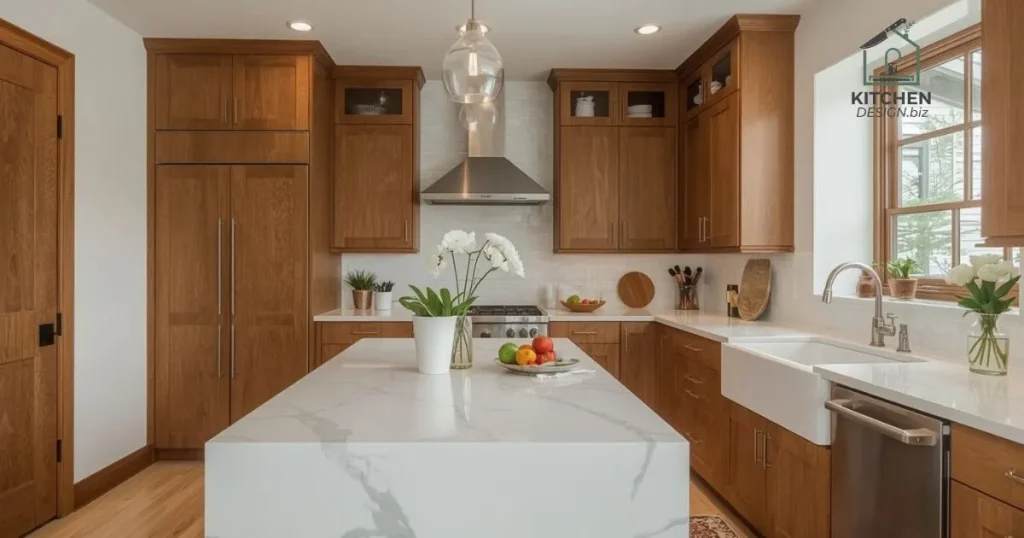
An L-shaped modular kitchen design fits perfectly into small and medium homes. It uses two adjacent walls, leaving enough space for movement.
This layout supports the classic work triangle (sink, stove, refrigerator) recommended by the National Kitchen & Bath Association (NKBA).
Best for:
- Apartments
- Open kitchens
- Budget-friendly renovations
U-Shaped Modular Kitchen Design
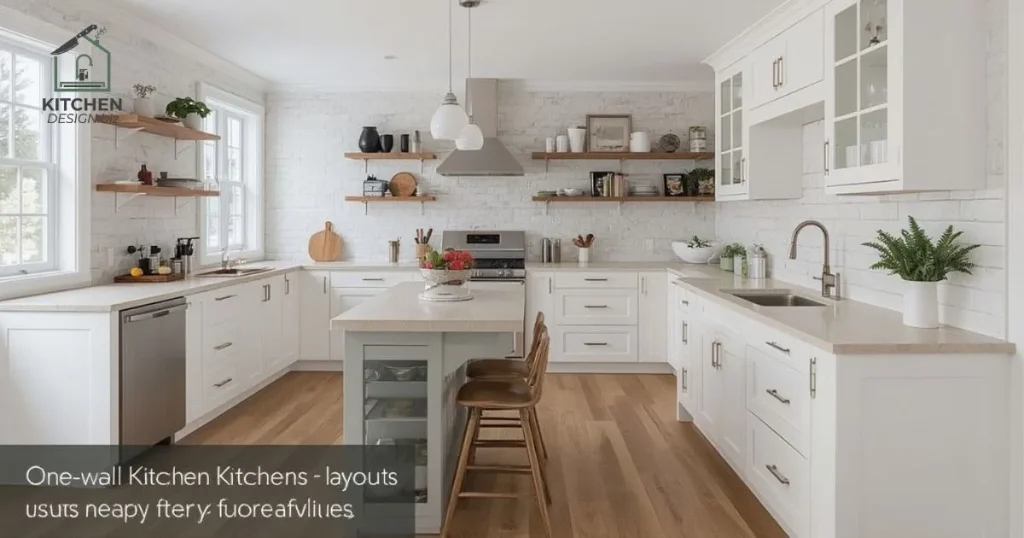
A U-shaped modular kitchen design wraps around three walls. It offers maximum storage and countertop space.
Designers often recommend this layout for heavy cooking households. According to Houzz Kitchen Trends Report, U-shaped kitchens rank high for workflow efficiency.
Best for:
- Large kitchens
- Multiple cooks
- High storage needs
Straight Modular Kitchen Design
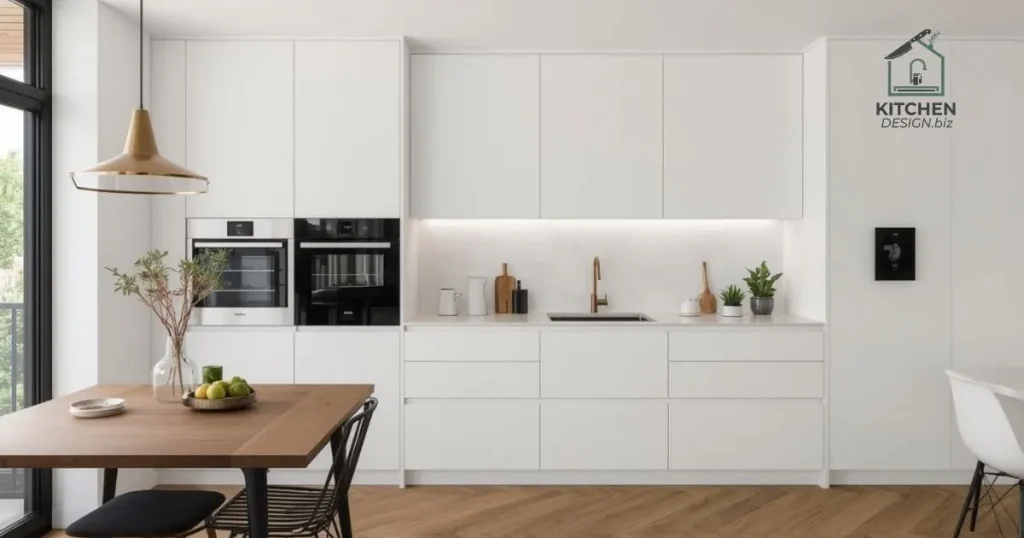
A straight modular kitchen design places everything along one wall. It looks simple, but it demands precise planning.
This layout works best when space stays limited. Minimal walking distance improves efficiency, provided storage stays vertical.
Best for:
- Studio apartments
- Rental properties
- Minimalist homes
Island Modular Kitchen Design
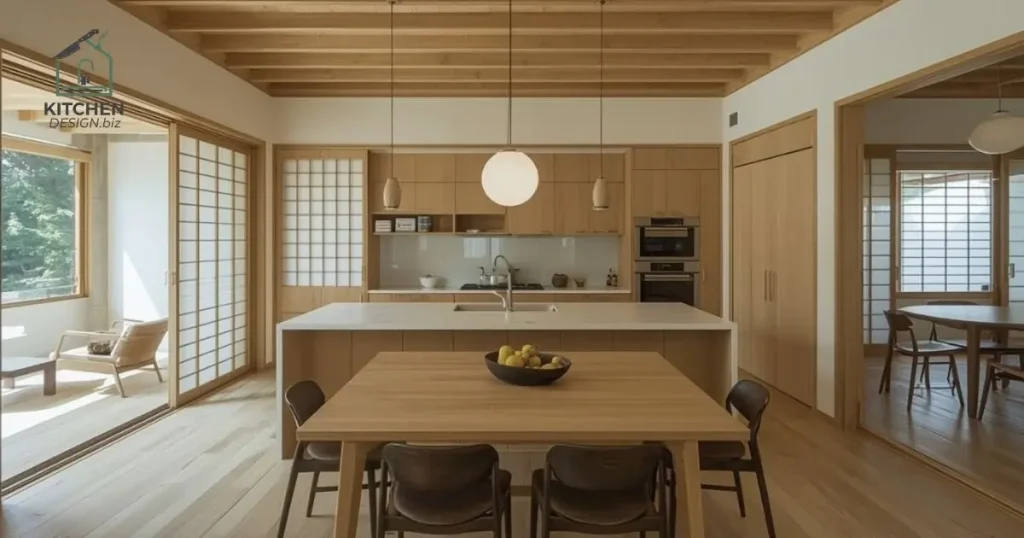
An island modular kitchen design adds a central workstation for prep, dining, or storage. Islands increase surface area without crowding walls.
However, experts suggest at least 40 inches of clearance around islands for safe movement. This standard comes from NKBA spacing recommendations.
Best for:
- Open-plan homes
- Social cooking spaces
- Modern interiors
Modular Kitchen Design Prices: Realistic Ranges
Pricing depends on materials, hardware, layout, and accessories. While costs vary by region, industry averages remain consistent.
Average Modular Kitchen Price Breakdown
- Basic modular kitchen: Entry-level finishes and standard hardware
- Mid-range modular kitchen: Soft-close fittings, improved finishes
- Premium modular kitchen: Custom finishes, advanced storage systems
According to Livspace and IKEA price estimators, modular kitchens cost less over time due to lower maintenance and easier upgrades.
Tip: Spend more on hardware, not finishes. Hinges and runners decide how long your kitchen survives daily use.
Materials Used in Modular Kitchen Designs
Cabinet Carcass Materials
- Plywood – Moisture-resistant and durable
- MDF – Smooth finish, best for dry zones
- HDF – Denser and stronger than MDF
Surface Finishes
- Laminate – Affordable and low maintenance
- Acrylic – Glossy and modern
- PU Paint – Seamless and premium
- Veneer – Natural wood appearance
According to Architectural Digest, laminates remain the most practical choice for high-use kitchens due to durability.
Latest Modular Kitchen Design Trends (That Will Last)
Trends should solve problems, not create new ones. These actually improve usability.
Handle-Less Cabinets
Handle-less modular kitchen designs reduce visual clutter and improve cleaning ease. Push-to-open systems now perform reliably thanks to improved hardware engineering.
Tall Pantry Units
Vertical storage maximizes space efficiency. Houzz reports increased demand for full-height pantry cabinets in urban homes.
Matte Finishes Over Gloss
Matte surfaces hide fingerprints better and reflect less glare. They also age more gracefully.
Integrated Appliances
Built-in ovens, dishwashers, and refrigerators improve flow and maintain visual harmony.
Modular Kitchen Designs for Small Homes
Small kitchens don’t need smaller ideas.
Smart solutions include:
- Corner carousel units
- Pull-out pantry systems
- Wall-mounted cabinets up to ceiling height
- Foldable breakfast counters
According to Space Planning Principles by IKEA, vertical storage increases usable capacity without shrinking movement zones.
Maintenance and Lifespan of Modular Kitchens
A well-built modular kitchen lasts 15–20 years with basic care.
Maintenance tips:
- Clean hinges every six months
- Avoid water stagnation near sinks
- Use soft cloths for surfaces
Because components remain replaceable, you never need a full rebuild for minor issues.
Modular Kitchen Designs vs Carpenter Kitchens
| Feature | Modular Kitchen | Carpenter Kitchen |
|---|---|---|
| Installation Time | Faster | Slower |
| Finish Quality | Consistent | Varies |
| Future Upgrades | Easy | Difficult |
| Cost Transparency | High | Low |
How to Choose the Right Modular Kitchen Design
Start with function, not color.
Ask yourself:
- How many people cook daily?
- Do you need more storage or workspace?
- Does your kitchen open into the living area?
Professional designers always prioritize workflow before aesthetics. Style comes later.
Conclusion: Choosing the Right Modular Kitchen Design Without Regret
Modular kitchen designs work because they respect planning, not shortcuts. They bring structure, predictability, and long-term flexibility into one of the most used spaces in a home. When layouts align with daily routines, kitchens stop feeling crowded and start feeling efficient.
Unlike traditional carpenter kitchens, modular systems offer consistency in finish, faster installation, and easier upgrades. These advantages matter more over time than initial appearance. A kitchen that adapts always outperforms one that simply looks good on day one.
Prices vary, but smart decisions reduce long-term costs. Investing in quality hardware, moisture-resistant materials, and practical storage delivers better value than chasing trends. Good design never relies on excess; it relies on logic.
Trends will continue to change, but strong layouts and thoughtful planning remain timeless. Whether you choose an L-shaped setup for a compact apartment or an island kitchen for open living, the right modular kitchen design supports how you actually live.
In the end, the best kitchen is not the most expensive one. It is the one that works quietly, every single day.
FAQ
1. Are modular kitchen designs durable?
Yes, factory-made modules offer consistent strength and finish quality.
2. Can modular kitchens fit small apartments?
Absolutely. Designers often recommend them for compact spaces.
3. How long does installation take?
Most installations finish within weeks, not months.
4. Are modular kitchens customizable?
Yes, layouts and finishes adapt to individual needs.
5. Do modular kitchens increase home value?
They improve functionality and resale appeal when well designed.