Old Kitchen Makeover: 12 Powerful Ideas to Transform Your Space on a Smart Budget
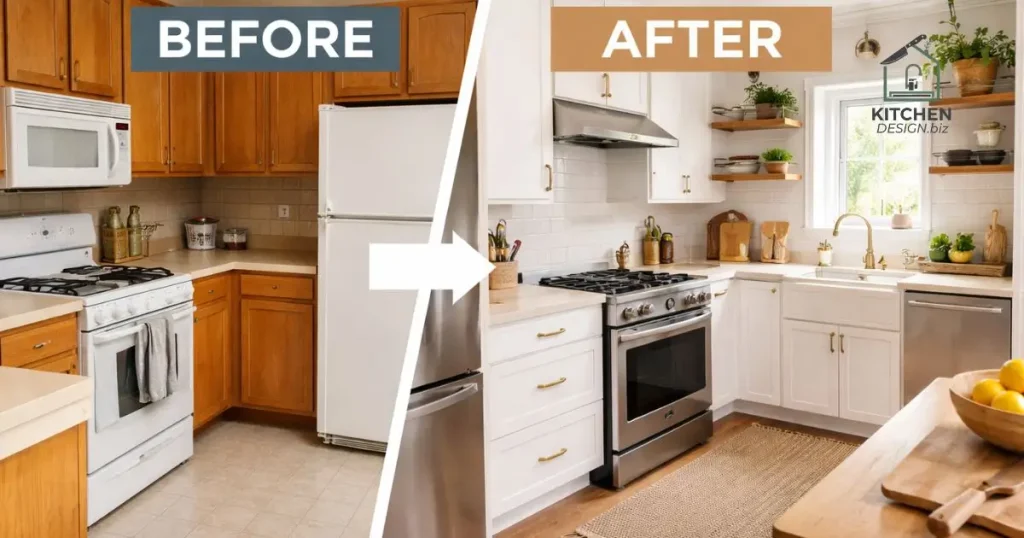
An old kitchen does not mean a lost cause. In fact, it often hides the strongest design potential in your home. A well-planned Old kitchen makeover can improve functionality, increase property value, and make daily cooking feel less like a chore and more like therapy.
According to the National Association of Realtors, kitchen upgrades consistently rank among the top projects for buyer appeal. Similarly, the annual Cost vs. Value report by Remodeling Magazine shows that even minor kitchen remodels can recover a significant portion of their cost at resale.
So yes, your kitchen matters.
But here’s the real question: do you need a full demolition? Probably not.
This guide explains how to plan a smart, strategic, and stylish old kitchen makeover without overspending or overcomplicating the process.
Why an Old Kitchen Makeover Makes Financial Sense
First, kitchens influence home value more than most rooms. Buyers notice outdated cabinets, poor lighting, and worn countertops instantly.
Second, kitchens impact daily life. You cook there. You gather there. Sometimes, you even work there.
Moreover, energy-efficient appliances and LED lighting reduce utility bills over time. The U.S. Department of Energy confirms that modern appliances consume significantly less energy compared to older models.
In short, upgrading your old kitchen improves comfort today and value tomorrow.
Step 1: Start With a Clear Plan (Before You Touch Anything)
Before buying tiles or paint, pause.
A successful old kitchen makeover starts with three questions:
- What frustrates you most about the current kitchen?
- What works well and should stay?
- What is your realistic budget?
The National Kitchen and Bath Association recommends planning layout changes carefully because plumbing and electrical modifications increase costs quickly.
Therefore, keep your existing layout if possible. Moving sinks and gas lines often doubles renovation expenses.
Smart makeover rule: upgrade surfaces first, structure second.
Step 2: Old Kitchen Makeover: Upgrade Cabinets Without Replacing Them
Cabinets dominate visual space. However, replacing them costs a fortune.
Instead, consider:
- Cabinet refacing
- Painting with high-quality kitchen-grade paint
- Changing handles and knobs
According to Consumer Reports, cosmetic cabinet updates provide strong visual impact at a fraction of full replacement cost.
White, warm beige, sage green, and deep navy remain timeless. Choose matte or satin finishes for durability.
Pro tip: Modern hardware alone can make cabinets look ten years younger.
Step 3: Refresh Countertops Without Breaking the Bank
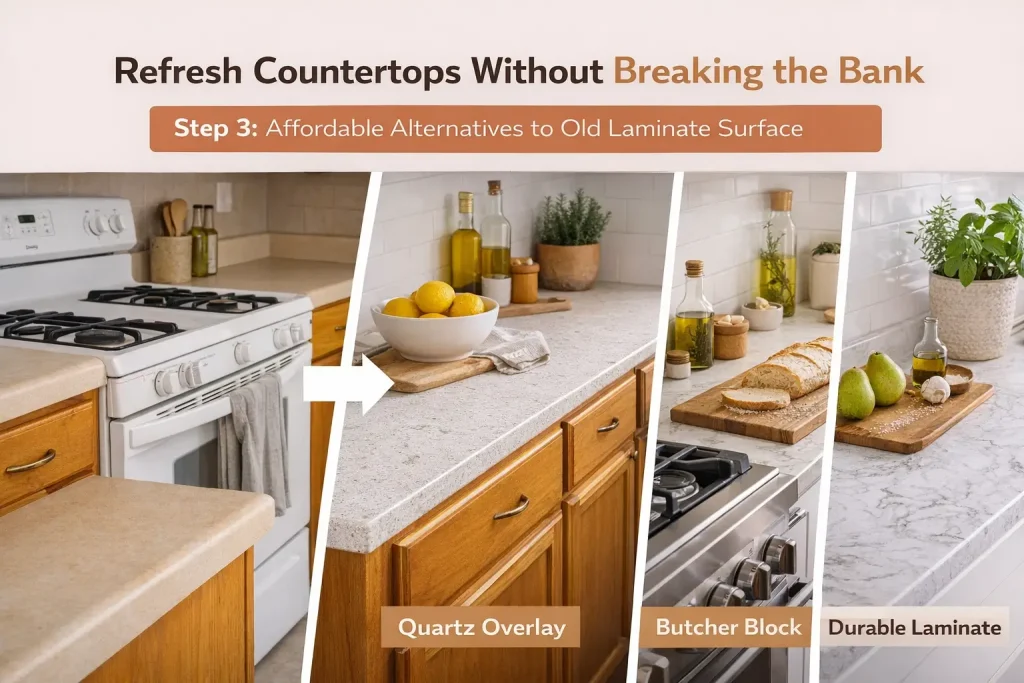
Old laminate surfaces often date a kitchen instantly. Fortunately, several affordable alternatives exist:
- Quartz overlays
- Butcher block
- Durable laminate upgrades
- Engineered stone
Quartz remains popular due to durability and low maintenance. The International Surface Fabricators Association highlights quartz for its resistance to stains and scratches.
If budget limits you, focus on replacing visible sections only. Small upgrades often create dramatic results.
Step 4: Improve Lighting — The Most Underrated Makeover Tool
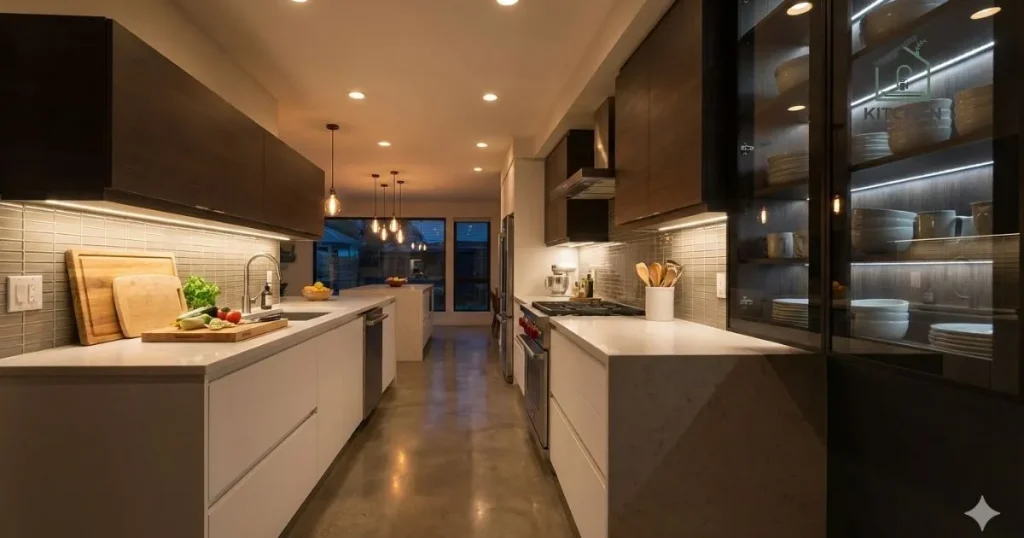
Lighting changes everything.
Many old kitchens rely on a single ceiling fixture. That setup creates shadows and dull corners.
Instead, layer your lighting:
- Task lighting under cabinets
- Ambient ceiling lights
- Accent pendant lighting
The U.S. Department of Energy recommends LED lighting because it uses at least 75% less energy than incandescent bulbs and lasts significantly longer.
Good lighting does not just brighten a room. It modernizes it instantly.
Step 5: Update Backsplash for Instant Visual Impact
A backsplash covers a small area but delivers major personality.
Classic subway tiles remain popular because they feel clean and timeless. Textured tiles and geometric patterns add depth without overwhelming the space.
According to design insights published by Houzz, backsplashes rank among the most requested updates in kitchen remodel projects.
Keep it simple. Busy patterns age quickly. Neutral designs last longer.
Step 6: Flooring: Replace or Restore?
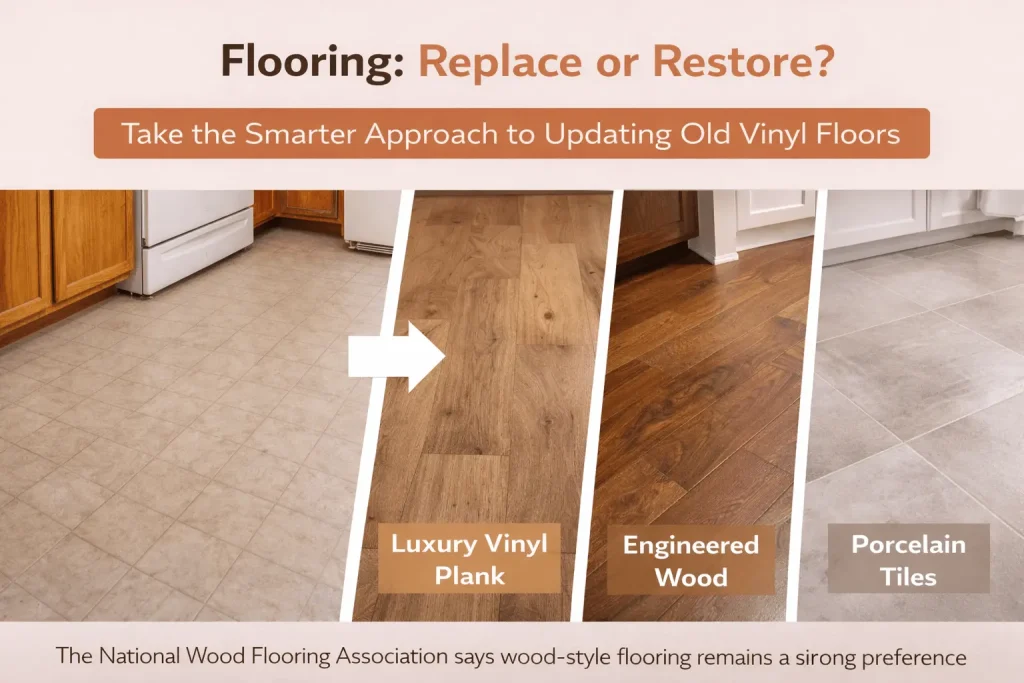
Old vinyl flooring often shows wear. However, you do not always need a full replacement.
Consider:
- Luxury vinyl plank (durable and water-resistant)
- Engineered wood
- Porcelain tiles
The National Wood Flooring Association confirms that wood-style flooring remains a strong preference among homeowners for resale value.
If hardwood hides under old vinyl, refinishing might save money and preserve character.
Step 7: Upgrade Appliances Strategically
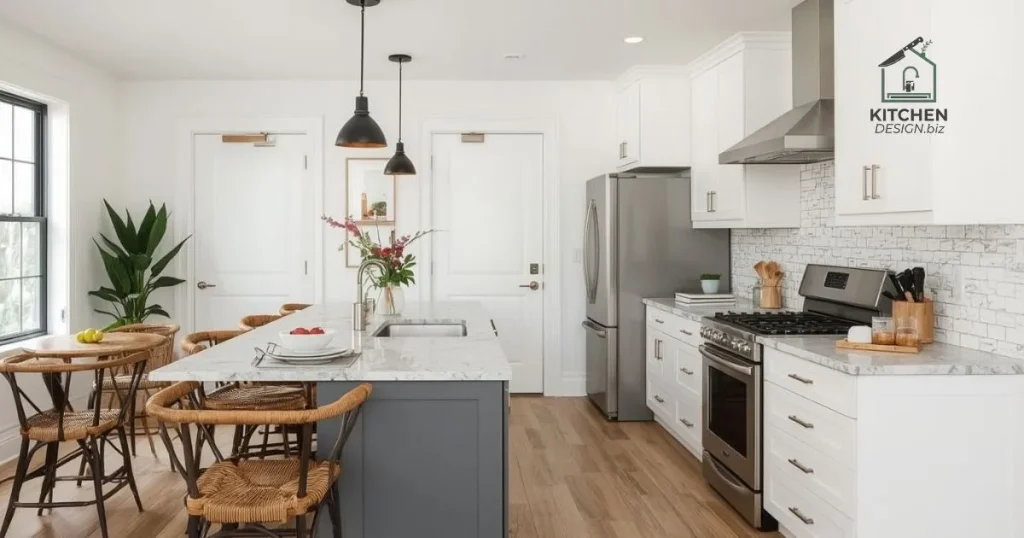
Appliances consume both space and energy.
Modern ENERGY STAR-certified appliances meet efficiency standards set by the Environmental Protection Agency.
Energy-efficient refrigerators and dishwashers reduce long-term operating costs. Moreover, stainless steel finishes still dominate modern kitchen design trends.
However, avoid replacing all appliances at once if they function well. Prioritize the oldest or least efficient unit first.
Step 8: Small Changes That Deliver Big Results
Not every old kitchen makeover requires construction.
Try these affordable improvements:
- Install open shelving for visual lightness
- Add a statement faucet
- Replace outdated curtains
- Introduce indoor plants
- Organize drawers with inserts
Decluttering alone improves perceived space dramatically.
Remember: design clarity feels expensive.
Step 9: Storage Optimization: Make the Kitchen Work Smarter
Old kitchens often lack efficient storage.
Add:
- Pull-out pantry systems
- Lazy Susans in corner cabinets
- Drawer dividers
- Vertical rack organizers
The National Kitchen and Bath Association consistently highlights storage optimization as a top priority in modern kitchen design planning.
When your kitchen works better, it feels newer.
Step 10: Paint: The Most Affordable Old Kitchen Makeover Strategy
Never underestimate paint.
Fresh wall color transforms mood instantly. Light shades create openness. Warm neutrals add sophistication.
Moreover, painting walls costs far less than structural renovation.
Choose washable finishes designed for high-traffic areas. Kitchens face humidity and splashes daily.
Step 11: Budget Planning for an Old Kitchen Makeover
Costs vary depending on location and scope. However, minor remodels typically cost far less than full structural renovations.
According to data published by Remodeling Magazine, minor kitchen remodels often recover a substantial percentage of investment at resale.
To stay on track:
- Set a firm budget
- Allocate 10–15% for unexpected costs
- Prioritize upgrades by impact
Spending smart beats spending big.
Step 12: Common Mistakes to Avoid
Even a simple old kitchen makeover can go wrong.
Avoid these mistakes:
- Following trends blindly
- Ignoring lighting
- Choosing low-quality paint
- Over-customizing for resale
- Skipping proper planning
Design should balance personality with practicality.
Internal Resource for More Inspiration
If you want more layout inspiration, explore our detailed guide on Kitchen Design Ideas for Modern Homes (2026 Guide) to discover layout strategies and planning tips that complement your old kitchen makeover.
Final Thoughts: Transform, Don’t Replace
An old kitchen does not need demolition. It needs direction.
With strategic updates, smart budgeting, and practical design decisions, you can transform an outdated space into a modern, efficient, and welcoming kitchen.
Start small. Upgrade smart. Stay intentional.
Your future self — and maybe even future buyers — will thank you.
FAQs
1. How much does an old kitchen makeover cost?
Costs vary, but minor remodels typically require far less investment than full structural renovations.
2. Can I update my old kitchen without replacing cabinets?
Yes, painting or refacing cabinets delivers major visual impact at lower cost.
3. Does an old kitchen makeover increase home value?
Yes, kitchen upgrades consistently improve buyer appeal and resale potential.
4. What is the most affordable kitchen upgrade?
Painting walls and cabinets provides the highest visual return for minimal investment.
5. Should I change my kitchen layout during a makeover?
Only if necessary, because plumbing and electrical changes increase renovation costs significantly.