Indian Kitchen Design Ideas 2026: Smart, Stylish & Practical Layouts for Modern Homes
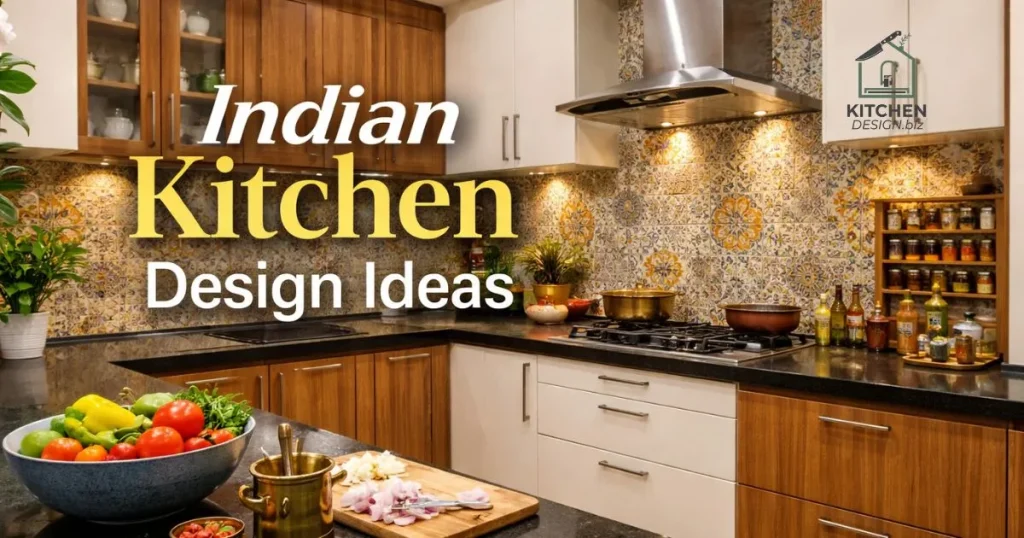
Indian kitchen design is not just about cabinets and countertops. It reflects culture, cooking habits, climate, and family lifestyle. Indian homes cook daily. We use strong spices, deep frying, pressure cooking, and fresh ingredients. So, the kitchen must handle heat, oil, and heavy use without losing charm.
If you plan to renovate or build a new space, this guide will help you choose the right Indian kitchen design that balances beauty and function. I will rely on trusted design principles and authoritative sources such as the National Kitchen & Bath Association (NKBA), Houzz research insights, and material guidelines from reputable manufacturers. No guesswork. No random trends.
Let’s design a kitchen that works as hard as you do.
Why Indian Kitchen Design Needs a Different Approach
Indian cooking differs from Western cooking in several ways. We sauté spices, cook curries for long periods, and often use multiple burners at once. This cooking style produces heat, moisture, and strong aromas.
According to the National Kitchen & Bath Association (NKBA), proper ventilation and efficient layout planning form the foundation of any high-performance kitchen design. You can review their design standards here:
National Kitchen & Bath Association (NKBA)
Indian kitchens need:
- Powerful chimney or ventilation systems
- Durable countertop materials
- Easy-to-clean backsplash surfaces
- Smart storage for spices and utensils
- Efficient workflow between stove, sink, and refrigerator
Design without function fails quickly. A stylish kitchen that traps oil fumes will frustrate you within a month. Good design solves real problems.
Indian Kitchen Design Layouts That Actually Work
1. L-Shaped Indian Kitchen Design for Compact Homes
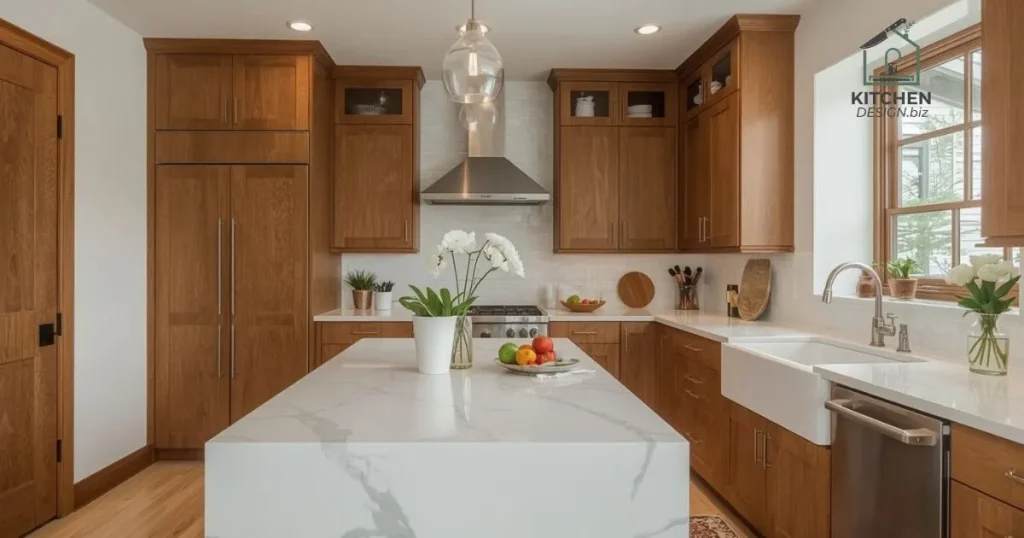
L-shaped kitchens suit apartments and small homes. This layout uses two adjacent walls, leaving space for movement.
Why it works:
- Supports the classic kitchen work triangle (sink, stove, refrigerator)
- Keeps cooking zone separate from prep area
- Leaves room for a small dining table
NKBA emphasizes maintaining efficient distance between key work zones to reduce unnecessary movement. L-shaped layouts naturally support this principle.
Add overhead cabinets to maximize vertical storage. Install a strong chimney above the cooktop. Keep your spice drawer close to the stove. You will thank yourself later.
2. U-Shaped Indian Kitchen Design for Heavy Cooking
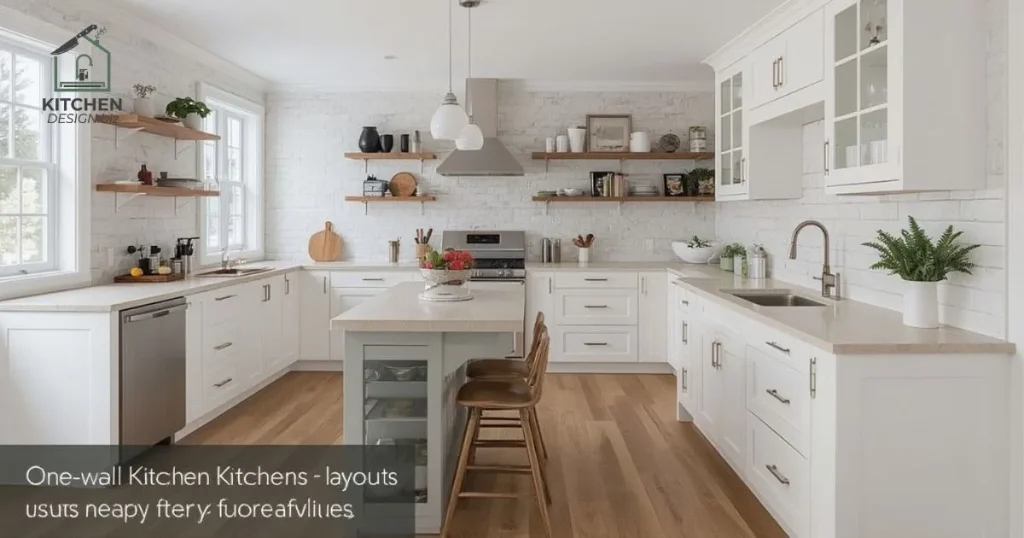
If you cook daily and love hosting, U-shaped layouts provide serious efficiency.
This layout surrounds you with three walls of storage and counter space. You can prep, cook, and clean without walking long distances.
Advantages:
- Ample storage
- Better organization
- Defined cooking zone
However, maintain at least 42–48 inches of clearance between opposite counters. NKBA guidelines recommend sufficient aisle space to prevent crowding and improve safety.
In Indian households where two people cook together, that clearance matters.
3. Parallel (Galley) Indian Kitchen Design for Efficiency
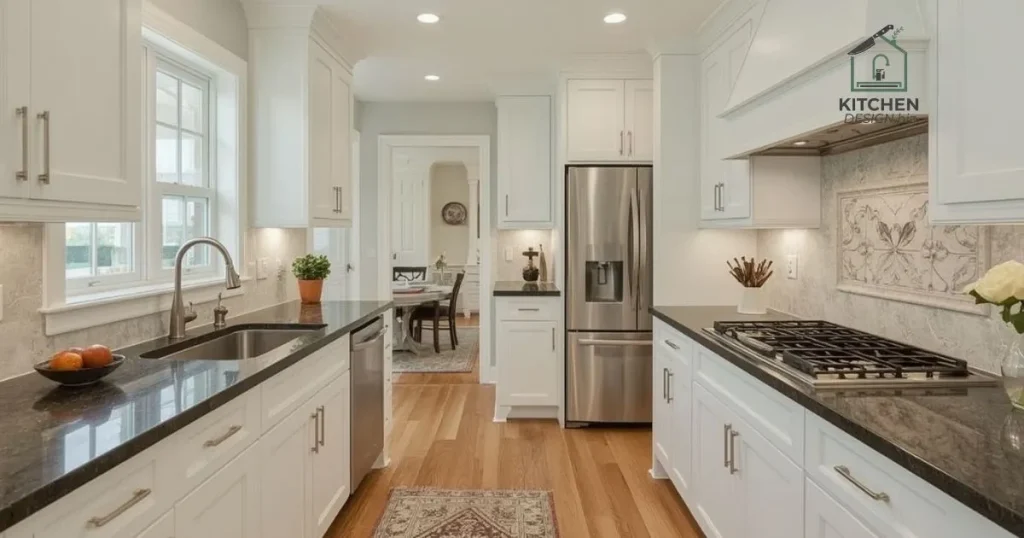
Parallel kitchens feature two facing countertops. Many Indian apartments use this design because it fits narrow spaces.
It supports:
- Strong workflow
- Separate cooking and washing zones
- Efficient storage on both sides
Professional chefs often prefer galley kitchens because they reduce steps. Less walking means less fatigue.
Install cabinets up to ceiling height for extra storage. Use moisture-resistant laminates to handle humidity.
4. Island Indian Kitchen Design for Open Spaces
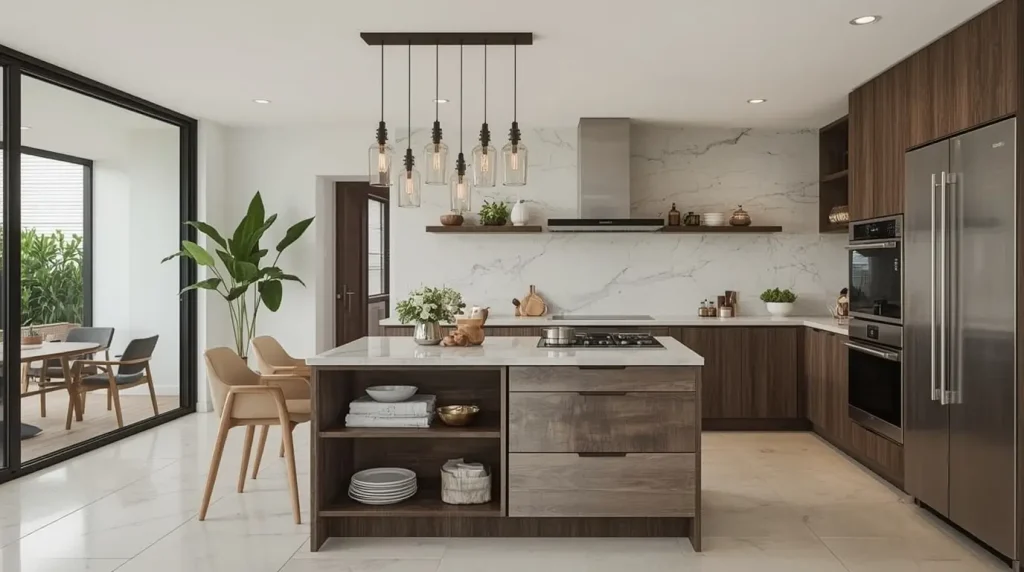
Modern homes embrace open-plan layouts. In such cases, island kitchens shine.
An island offers:
- Extra prep space
- Casual dining
- Storage below
- Social interaction during cooking
However, ensure proper ventilation. Open kitchens allow aromas to spread across the living room. Invest in a high-capacity chimney recommended for Indian cooking loads.
According to appliance manufacturers like Faber and Elica, chimney suction capacity for Indian cooking typically ranges between 1000–1200 m³/hr, depending on kitchen size. Always verify manufacturer specifications before purchasing.
Essential Elements of Indian Kitchen Design
Ventilation: The Non-Negotiable Feature
Indian cooking produces smoke and strong aromas. A chimney or exhaust fan removes airborne grease and protects walls and cabinets.
The U.S. Environmental Protection Agency (EPA) highlights the importance of proper kitchen ventilation to reduce indoor air pollutants. You can read more here:
https://www.epa.gov/indoor-air-quality-iaq
Choose:
- Ducted chimney if possible
- Appropriate suction power
- Easy-to-clean filters
Do not compromise here. Your cabinets will suffer.
Countertop Materials That Survive Real Cooking
Indian kitchens need durable surfaces.
Top recommended materials:
Granite
- Heat resistant
- Scratch resistant
- Long-lasting
Quartz
- Non-porous
- Low maintenance
- Uniform appearance
Natural stone manufacturers and consumer reports confirm granite’s durability for high-heat cooking environments. Quartz offers better stain resistance but requires professional installation.
Avoid marble near heavy cooking zones. It stains easily.
Backsplash That Handles Oil and Spices
Oil splashes happen. Turmeric stains happen. It’s real life.
Use:
- Ceramic tiles
- Porcelain tiles
- Toughened glass panels
These materials clean easily and resist moisture.
According to the Tile Council of North America (TCNA), porcelain tiles provide excellent moisture resistance and durability in kitchens.
Smart Storage for Indian Cooking
Indian kitchens require storage for:
- Pressure cookers
- Large kadais
- Spice boxes
- Grinders
- Lentil containers
Add:
- Deep drawers instead of lower cabinets
- Pull-out pantry units
- Vertical tray storage
- Dedicated masala drawer near stove
Good storage reduces clutter. Clutter kills beauty.
Color Psychology in Indian Kitchen Design
Colors influence mood. They also reflect cultural preferences.
Popular Indian kitchen colors:
- White for brightness
- Beige and cream for warmth
- Olive green for earthy feel
- Navy blue for bold contrast
- Teak and walnut wood tones for tradition
According to color psychology research referenced by design platforms like Houzz, lighter kitchens feel larger and cleaner. Dark tones create dramatic impact but require proper lighting.
Balance color with lighting. Otherwise, your “modern” kitchen may look gloomy.
Lighting That Makes Indian Kitchen Design Functional
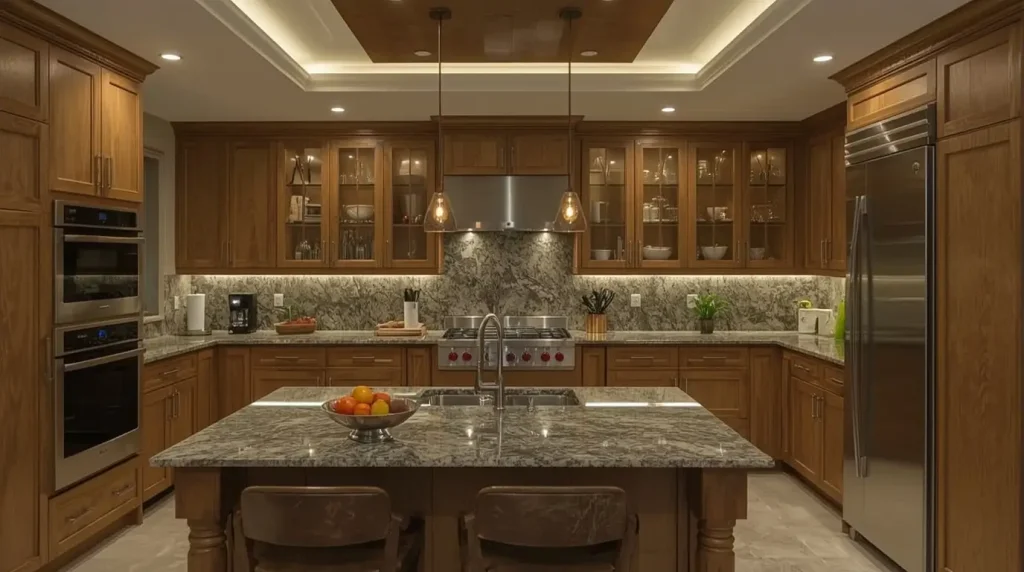
Use layered lighting:
- Ambient ceiling lights
- Task lighting under cabinets
- Accent lighting for style
NKBA design guidelines emphasize proper task lighting in prep and cooking zones. Shadows near the stove increase risk.
Install LED strip lights under upper cabinets. They consume less energy and provide focused brightness.
Flooring for Indian Kitchen Design
Kitchen floors face water, oil, and heavy foot traffic.
Choose:
- Vitrified tiles
- Porcelain tiles
- Anti-slip surfaces
Avoid glossy tiles near sink and stove. Slippery floors cause accidents.
The American Society of Interior Designers (ASID) recommends slip-resistant surfaces in high-use kitchens for safety.
Modular Indian Kitchen Design: Is It Worth It?
Yes, if planned correctly.
Modular kitchens offer:
- Factory-finished units
- Standardized sizes
- Faster installation
- Organized storage
However, customization matters. Indian cooking needs specific drawer sizes and appliance placements. Do not blindly follow catalog designs.
Consult professionals who understand Indian cooking habits.
Small Indian Kitchen Design Ideas That Maximize Space
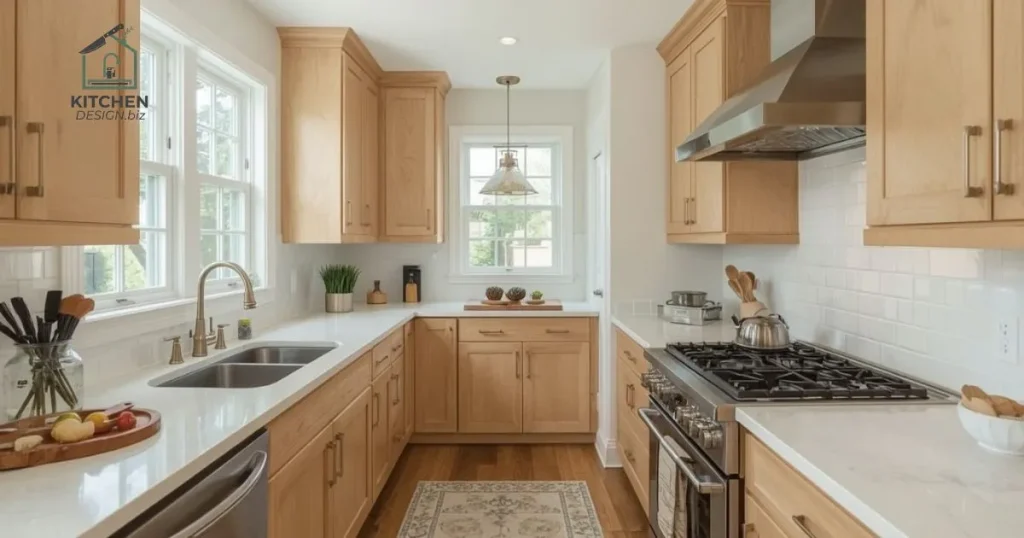
Small kitchens can feel tight. Smart design solves that.
Use:
- Wall-mounted racks
- Foldable dining tables
- Magnetic spice holders
- Sliding shutters
- Light color schemes
Keep counters clear. Store appliances when not in use.
According to Houzz Kitchen Trends Study, homeowners consistently prioritize storage and functionality over purely decorative elements. Practical always wins.
Traditional vs Modern Indian Kitchen Design
Traditional Style
- Wooden cabinets
- Brass handles
- Warm tones
- Closed layouts
Modern Style
- Handle-less cabinets
- Matte finishes
- Open shelving
- Integrated appliances
Both styles work. Choose based on lifestyle.
If you cook heavy meals daily, focus on durability. If you host often, focus on presentation.
Sustainability in Indian Kitchen Design
Sustainability is not a trend. It is responsibility.
Use:
- LED lighting
- Energy-efficient appliances (look for Energy Star ratings where available)
- Water-saving faucets
- Low-VOC paints
The U.S. Department of Energy provides guidelines on energy-efficient appliances:
https://www.energy.gov
Eco-friendly kitchens reduce bills and environmental impact.
Common Mistakes in Indian Kitchen Design
Avoid these errors:
- Weak ventilation
- Insufficient storage
- Poor lighting
- Slippery flooring
- Ignoring workflow
Design should reduce effort, not increase it.
Internal Resource for More Kitchen Inspiration
If you want more global inspiration, read our guide on Japanese-Style Kitchen Layouts That Feel Calm, Practical, and Modern on our website. It offers smart layout ideas that you can adapt to Indian kitchen design as well.
Final Thoughts on Indian Kitchen Design
Indian kitchen design blends tradition with modern practicality. It must handle heat, oil, spices, and family gatherings without losing charm.
Choose a layout that supports your workflow. Invest in ventilation. Select durable materials. Plan smart storage.
A beautiful kitchen impresses guests. A functional kitchen impresses you every day.
Design wisely.
FAQs
1. What is the best layout for Indian kitchen design?
L-shaped and U-shaped layouts work best because they support efficient workflow and heavy cooking needs.
2. Which countertop is best for Indian kitchen design?
Granite and quartz perform best due to heat resistance and durability.
3. Why is ventilation important in Indian kitchen design?
Proper ventilation removes smoke, grease, and odors produced during spice-heavy cooking.
4. Are modular kitchens suitable for Indian homes?
Yes, but customization must match Indian cooking habits and appliance needs.
5. Which colors work well in Indian kitchen design?
Neutral tones like white, beige, and wood finishes create a timeless and practical look.