Simple Kitchen Design Ideas for Small Homes
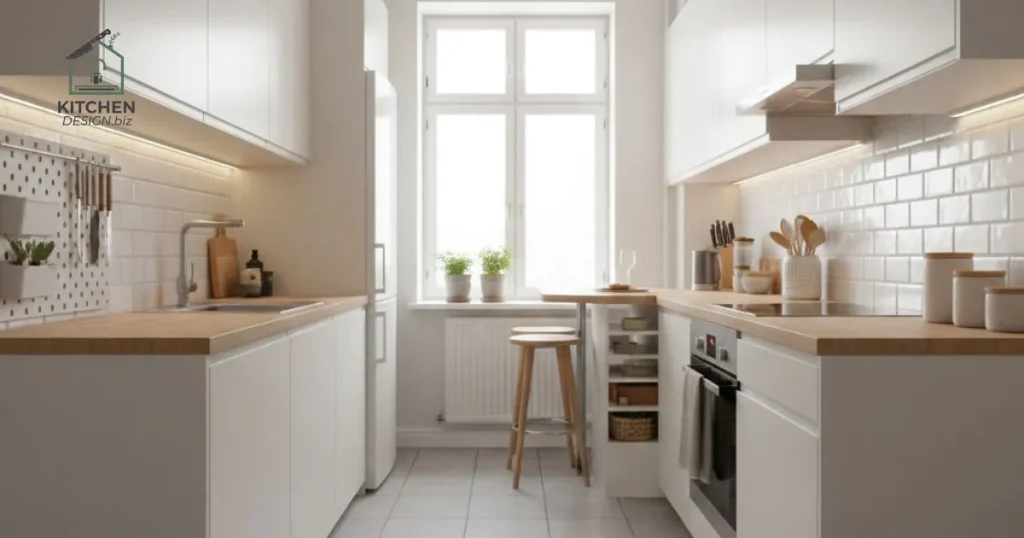
A small kitchen doesn’t have to feel cramped, cluttered, or frustrating. With smart design, clever storage, and thoughtful layout, even compact kitchens can feel spacious, stylish, and incredibly functional. Whether you live in a tiny apartment, small home, or limited space property, these simple kitchen design ideas will help you transform your cooking area into a dream zone without breaking the bank.
We’ll dive into layout plans, colour choices, storage hacks, and decorating tricks — all backed by real design principles and expert consensus. Let’s get cooking!
Why Small Kitchen Design Matters
Most people underestimate how much of a psychological impact design has on small spaces. A poor layout can make even a decent‑sized kitchen feel constricted. On the other hand, smart design can create the illusion of space and improve actual usability. This helps lower stress, boosts efficiency while cooking, and can even increase the value of your home.
Good design is not about expensive materials — it’s about using space wisely. So, let’s start with the foundation: layout.
1. Smart Layouts: Make Every Inch Count
Your kitchen layout determines how efficiently you move, cook, and interact with appliances. Choose a layout that fits your space and workflow.
Straight Line (One‑Wall) Kitchen
This layout places all cabinets, counters, and major appliances along one wall. It’s perfect for narrow spaces or studio apartments. Everything stays within reach, and you free up floor space for movement.
L‑Shaped Kitchen
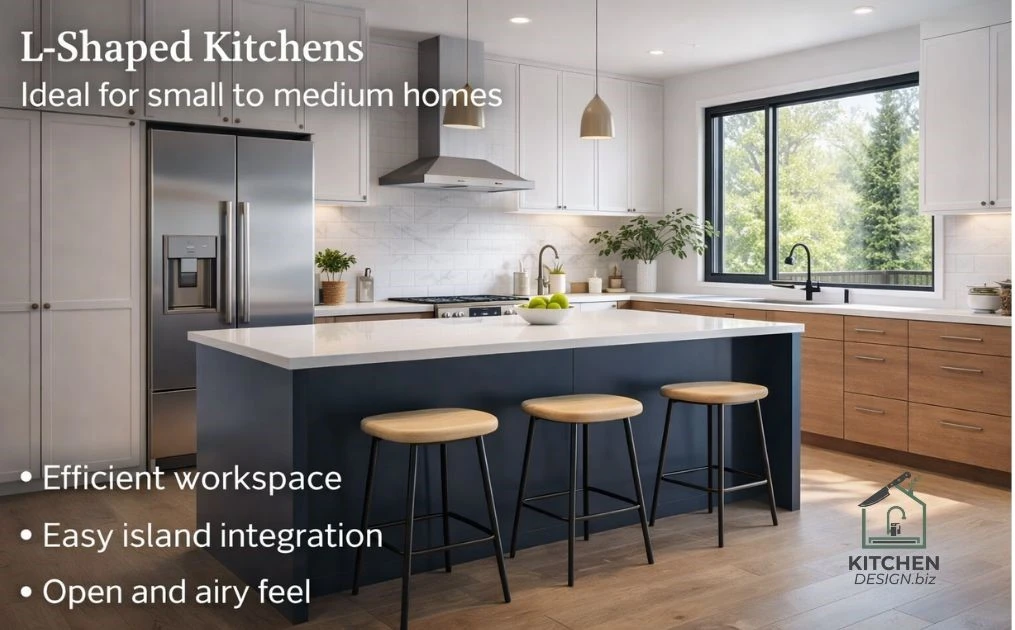
With counters on two adjacent walls, the L‑shaped kitchen maximises corner space while opening up the centre. It works especially well in open‑plan designs.
U‑Shaped or Galley Kitchen
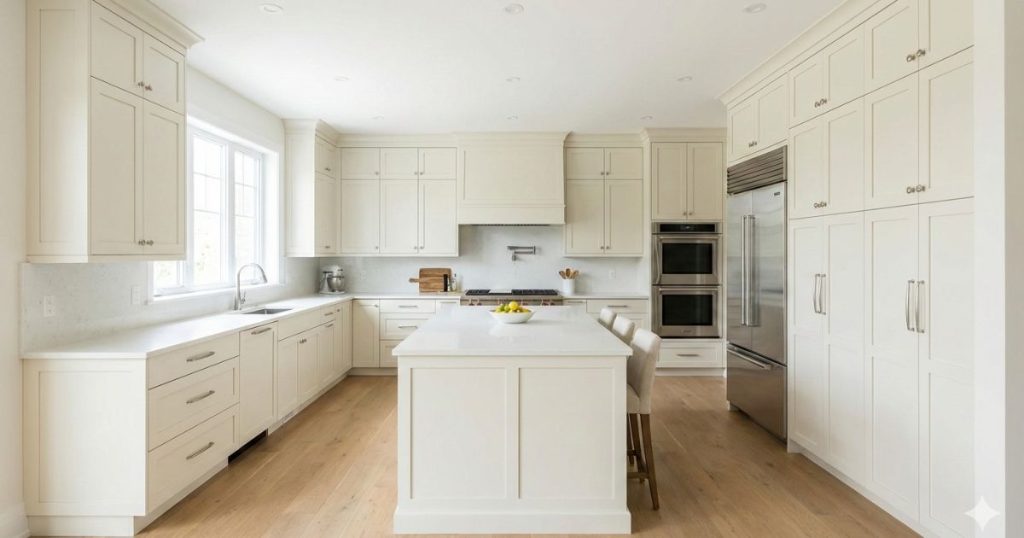
Ideal if you have a slightly larger rectangular room, this layout provides ample counter and cabinet space on three sides or parallel walls. It’s efficient for cooking zones and storage.
Pro Tip: Always try to place the sink, stove, and fridge in a triangle. This “working triangle” minimizes unnecessary steps and speeds up meal preparation.
2. Choose Light, Reflective Colours
Color can be your best friend when bedrooms are big and kitchens are small.
A palette of whites, light greys, creams, or pastels reflects light and makes walls seem farther apart. Dark colours absorb light, shrinking the look of the room — unless you use them carefully as accents.
Light cabinets + light flooring = visually bigger kitchen.
Don’t be afraid to switch things up with a subtle splash of colour on a backsplash or a single cabinet. Great design is about balance, not blandness.
3. Use Open Shelving to Create Openness
Closed cabinets everywhere can feel boxy and add visual weight. Open shelving creates airiness and allows the eye to travel across space more freely.
Open shelves also provide:
- Quick access to dishes and cookbooks
- A place to display plants or pretty kitchenware
- A lighter, less enclosed look
Just avoid overcrowding those shelves — too much stuff defeats the purpose.
4. Go Vertical with Storage
Small kitchens often struggle with storage. But guess what? You still have walls!
Extend cabinets up to the ceiling. Install tall pantry units. Add vertical pull‑out cabinets in unused narrow spaces. All of this increases storage without eating into precious floor area.
Hanging hooks, pegboards or magnetic racks on blank walls also free up cabinetry and make your kitchen feel bigger.
5. Reflect Light Natural and Artificial
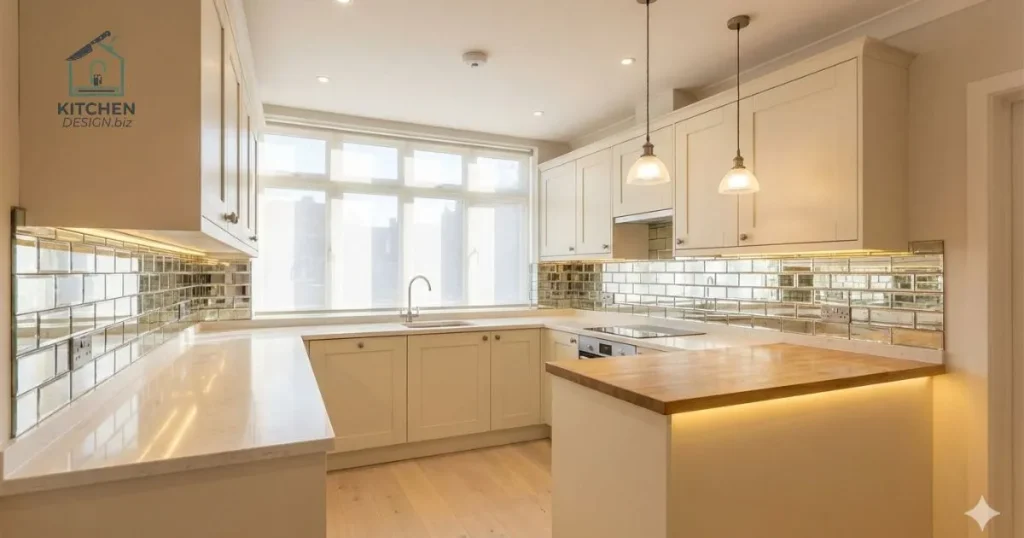
Natural light instantly makes any small room feel larger. If you have windows, maximise them. Avoid heavy curtains — sheer blinds or no covering at all is best.
If your kitchen doesn’t have a window, mirrors are a clever trick. A mirrored backsplash or a reflective surface opposite a light source can trick the eye into seeing more space.
Layered lighting also helps:
- Ambient lighting for overall brightness
- Task lighting under cabinets for prep space
- Accent lighting to highlight features
Good lighting makes your space glow — in a good way.
6. Choose Handleless and Streamlined Cabinets
Handles sticking out might be tiny, but they take up space physically and visually. Handleless (push‑to‑open) cabinets or slimline hardware create a sleek look and reduce visual clutter.
High‑gloss or reflective cabinet finishes also bounce light, making the kitchen seem brighter and larger.
This trick is especially powerful in modern or minimalist kitchens.
7. Maximise Counter Space with Multi‑Functional Furniture
A kitchen island in a tiny space might sound like a dream, but even a small movable cart, foldable table, or breakfast bar can add extra prep surface and dining space. These pieces can double as storage too.
Fold‑down tables are especially nifty in micro‑apartments — they tuck away when not in use.
Think function first, style second.
8. Slimline and Built‑In Appliances
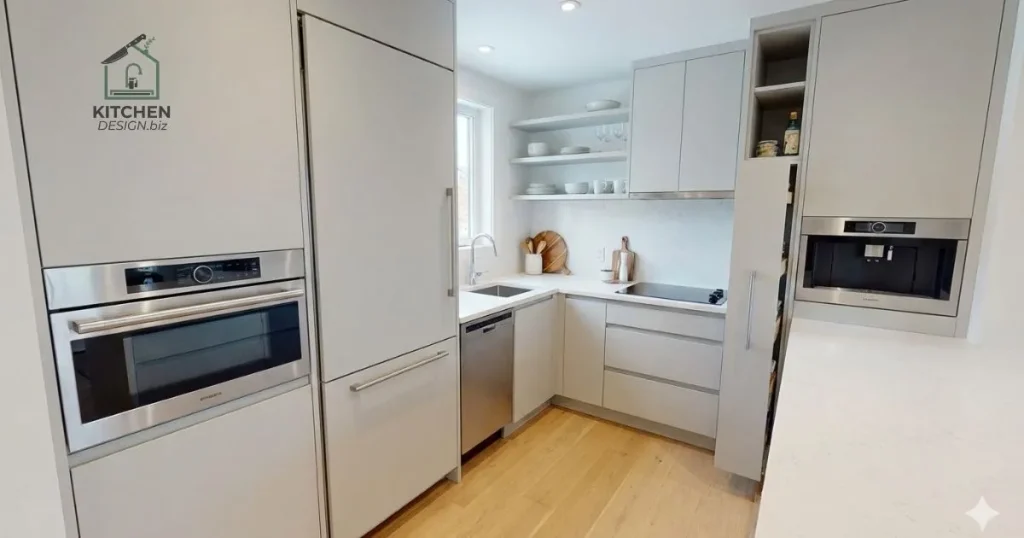
When square footage is gold, bulky appliances are kryptonite.
Choose compact or integrated versions of:
- Narrow fridge/freezer units
- Built‑in microwave/air fryer combos
- Slim dishwashers
These save space and give your kitchen a cleaner, more unified look.
Multifunctional appliances reduce kitchen clutter and make tight spaces easier to work in.
9. Backsplash and Tile Tricks for Personality
our backsplash is more than practical — it’s a design opportunity.
Consider:
- Light, reflective tiles for brightness
- Patterned tiles as a focal point
- Mosaic tiles in small doses so the space doesn’t feel “busy”
Pattern and texture add personality without consuming space — an intelligent way to inject style.
Remember: your backsplash can make your kitchen, not break it.
10. Keep Counters Clear (Declutter First!)
Clutter shrinks space instantly. The fewer items on your counter, the more open and spacious your kitchen will feel.
Use hidden storage, vertical racks, and hooks to move small items like mugs, utensils, and spice jars up and off the counter. What stays out should be:
- Functional
- Attractive
- Necessary
This isn’t about being spotless — it’s about being purposeful.
11. Add Greenery and Personal Touches
Design doesn’t need to feel cold. Small potted herbs or tiny succulents add life without crowding space. Greenery also enhances mood — an underrated perk during long cooking sessions.
Decorative touches like framed prints or stylish containers show personality without cluttering function.
Style and structure — that’s the sweet spot.
12. Think Beyond Cabinets: Hooks, Rails, and Magnetic Boards
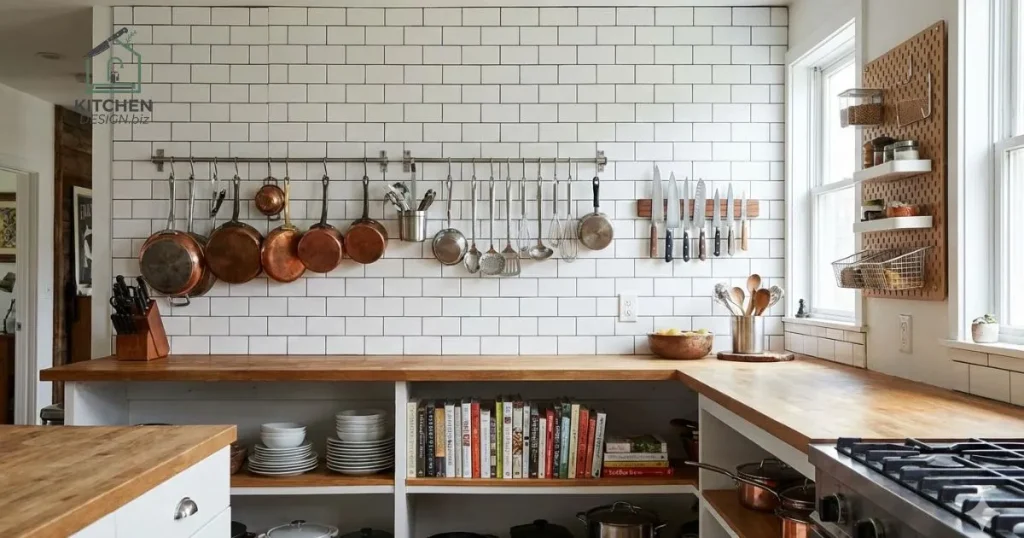
Cabinets are great, but often the most functional storage is:
- Wall hooks for pots and pans
- Magnetic knife strips
- Rail systems for utensils
These elements free up drawer and cabinet space, boost accessibility, and make your kitchen feel more open.
They’re often inexpensive, yet tremendously effective.
13. Mirrors and Reflective Elements to Amplify Space
Mirrors aren’t just for living rooms! A mirrored backsplash or strategic reflective panels can double visual volume. This trick plays with perception — your room feels brighter and bigger because light travels farther.
Designers use this technique often in small interior spaces to create a sense of “breathing room.”
Conclusion: Start Simple Small kitchen Ideas, Think Big
Designing a small kitchen doesn’t require a huge budget or major renovation. With the tips above, you can make your kitchen:
- More functional
- More stylish
- More enjoyable to use
Keep these principles in mind:
- Let light lead the way
- Use vertical space first
- Think multifunctional
- Declutter with intent
A small kitchen only feels small until you apply the right design ideas. With clarity, strategy, and creativity, you can turn your compact kitchen into a joyful, productive hub.
Remember — design isn’t just about looks; it’s about making your life easier, one clever solution at a time.